 Trường Tiểu học Hà Nội - Điện Biên Phủ, Phường Điện Biên Phủ
Trường Tiểu học Hà Nội - Điện Biên Phủ, Phường Điện Biên Phủ
Trường Tiểu học Hà Nội - Điện Biên Phủ, Phường Điện Biên Phủ

How to Choose a Beverage Manufacturer in Vietnam for Your Brand
Vietnam has become an increasingly attractive sourcing destination for beverage businesses. The country offers access to tropical ingredients, established manufacturing capabilities, multiple packaging formats, and export-oriented production.
If you are searching for a reliable beverage manufacturer in Vietnam, several factors should be evaluated before choosing a supplier.
1. Understand the Manufacturing Model You Need
Before contacting a manufacturer, determine how much product development support your business requires.
There are generally three common approaches.
OEM Beverage Manufacturing
OEM manufacturing is suitable when your company already has a product concept, formula, specification, or clear product direction.
An OEM beverage manufacturer can handle commercial production while working according to agreed specifications. Depending on the project, the manufacturer may also support ingredient sourcing, packaging, quality control, and export preparation.
ODM Beverage Development
ODM can be a better option for businesses that have a beverage idea but still need support developing the final product.
The process may include:
- Formula development
- Flavor adjustment
- Ingredient selection
- Product sampling
- Packaging selection
- Label preparation
- Commercial manufacturing
This approach can reduce the resources required to build an internal beverage development team.
Private Label Beverages
Private label manufacturing provides another route to market.
Instead of developing every product from the beginning, brands and retailers may start with an existing beverage concept and customize elements such as flavor, packaging, branding, or specifications.
For companies seeking a faster product launch, private label beverages can offer a practical starting point.
2. Evaluate Product Development Capabilities
A capable beverage manufacturer should provide more than production equipment.
Product development is particularly important when launching functional beverages or products designed for specific consumer groups.
Before selecting a supplier, discuss factors such as:
- Target market
- Beverage category
- Flavor profile
- Sweetness level
- Functional ingredients
- Packaging format
- Expected order volume
- Regulatory requirements
Clear specifications at the beginning of the project can reduce revisions later.
For example, brands working with a Vietnam beverage manufacturer can explore OEM, ODM, and private label development for categories ranging from coconut water and fruit juice drinks to energy drinks and functional beverages.
3. Check the Manufacturer's Product Range
A broad product portfolio can be valuable for distributors and retailers planning to build multiple beverage categories.
Instead of sourcing each drink from a different factory, buyers may be able to consolidate more products with one manufacturing partner.
Common categories include:
Coconut Water
Coconut-based beverages remain relevant for retail, food service, and wellness-focused product lines. Manufacturers may offer pure coconut water as well as flavored and sparkling variations.
Aloe Vera Drinks
Aloe vera beverages can be developed in different flavors and packaging formats, with or without aloe vera pulp.
Fruit Juice Drinks
Fruit juice drinks provide a wide range of flavor possibilities and can be adapted for different markets and price segments.
Energy Drinks
Private label and OEM energy drinks allow brands to customize flavor, formulation, packaging, and brand positioning.
Functional Beverages
Demand for functional products has encouraged the development of beverages using ingredients associated with hydration, protein, collagen, prebiotics, electrolytes, sea moss, and other contemporary beverage concepts.
Working with a manufacturer that already understands multiple beverage categories may make future portfolio expansion easier.
4. Review Food Safety and Quality Systems
Quality management should be one of the most important considerations when sourcing beverages internationally.
Importers should ask potential suppliers about their manufacturing standards, quality-control procedures, product documentation, and applicable certifications.
Depending on the factory and target market, relevant systems may include standards such as:
- HACCP
- ISO 22000
- FSSC 22000
- BRCGS
- HALAL
- GMP
However, buyers should not rely only on certification logos.
It is also important to discuss batch control, raw-material management, product testing, packaging inspections, traceability, and documentation.
Requirements can vary significantly between countries, so product specifications and labeling should be reviewed according to the intended destination.
5. Consider Packaging Capabilities
Packaging influences logistics, shelf presence, consumer convenience, and overall product positioning.
A beverage manufacturing partner may support formats such as aluminum cans, PET bottles, glass bottles, or other packaging solutions depending on production capabilities.
Before production begins, buyers should confirm:
- Available container sizes
- Label or printed packaging options
- Carton configuration
- Packaging material specifications
- Container loading quantities
- Design requirements
These details can significantly affect production cost and international shipping efficiency.
6. Ask About Minimum Order Quantity
Minimum order quantity, or MOQ, is especially important for new beverage brands.
Manufacturing beverages requires ingredients, packaging materials, production setup, filling, quality control, and logistics. As a result, commercial beverage manufacturing generally requires larger quantities than small test production.
Buyers should request detailed MOQ information for the exact product and packaging format they are considering.
A good manufacturing discussion should also cover potential volume increases if the product performs well in the market.
7. Evaluate Export Experience
Producing a beverage and successfully exporting it are two different challenges.
Manufacturers serving international customers should understand commercial export requirements and be able to coordinate necessary product and shipping documentation.
When comparing suppliers, ask about their experience working with:
- Importers
- Distributors
- Retail chains
- Private label brands
- Food-service companies
- International markets
Experience with export projects can help reduce communication problems when production moves from sampling to commercial orders.
8. Communication Matters as Much as Production
A strong supplier relationship depends on clear communication.
During the early stages of a project, observe how clearly the manufacturer answers questions about specifications, pricing, samples, packaging, MOQ, production schedules, and documentation.
A responsive team can make a significant difference when formula adjustments or packaging changes are required.
The best manufacturing relationship is not simply between a buyer and a factory. It should function as a long-term partnership built around product consistency, commercial goals, and reliable communication.
Finding the Right Beverage Manufacturing Partner
There is no single beverage manufacturer that is ideal for every project.
The right choice depends on your target market, beverage category, volume, formulation requirements, packaging, certifications, and desired level of customization.
Therefore, buyers should compare manufacturers based on capabilities rather than price alone.
For companies exploring beverage sourcing in Southeast Asia, Wana Beverage is one Vietnam-based option offering OEM, ODM, and private label beverage manufacturing. Brands, importers, distributors, and retailers can also learn more about its OEM beverage manufacturing services when evaluating potential production partners.
A careful supplier selection process at the beginning can help create a stronger foundation for product development, manufacturing, and long-term market growth.
Tác giả: Nguyễn Dũng
Ý kiến bạn đọc
Những tin mới hơn
Những tin cũ hơn
-
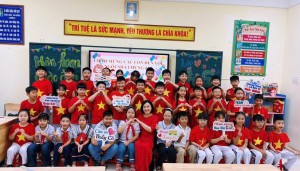 NGÀY TỰU TRƯỜNG CỦA HỌC SINH KHỐI 2, 3, 4, 5
-
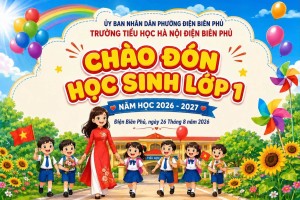 CHÀO ĐÓN HỌC SINH LỚP 1 – KHỞI ĐẦU MỘT HÀNH TRÌNH MỚI
-
 HỌP TRIỂN KHAI CÔNG TÁC CHUYÊN MÔN ĐẦU NĂM HỌC 2026–2027
-
 THÀNH KÍNH TRI ÂN – ĐỜI ĐỜI GHI NHỚ CÔNG ƠN CÁC ANH HÙNG LIỆT SĨ Nhân kỷ niệm 79 năm Ngày Thương binh – Liệt sĩ (27/7/1947 – 27/7/2026)
-
 CHUYỂN ĐỔI SỐ – ĐỘNG LỰC NÂNG CAO CHẤT LƯỢNG GIÁO DỤC TẠI TRƯỜNG TIỂU HỌC HÀ NỘI – ĐIỆN BIÊN PHỦ
- Đang truy cập19
- Hôm nay228
- Tháng hiện tại3,922
- Tổng lượt truy cập1,032,840